
Renewable Energy
BESS Explained: How Battery Storage Works for Ghanaian Businesses
CIPA Communications ·
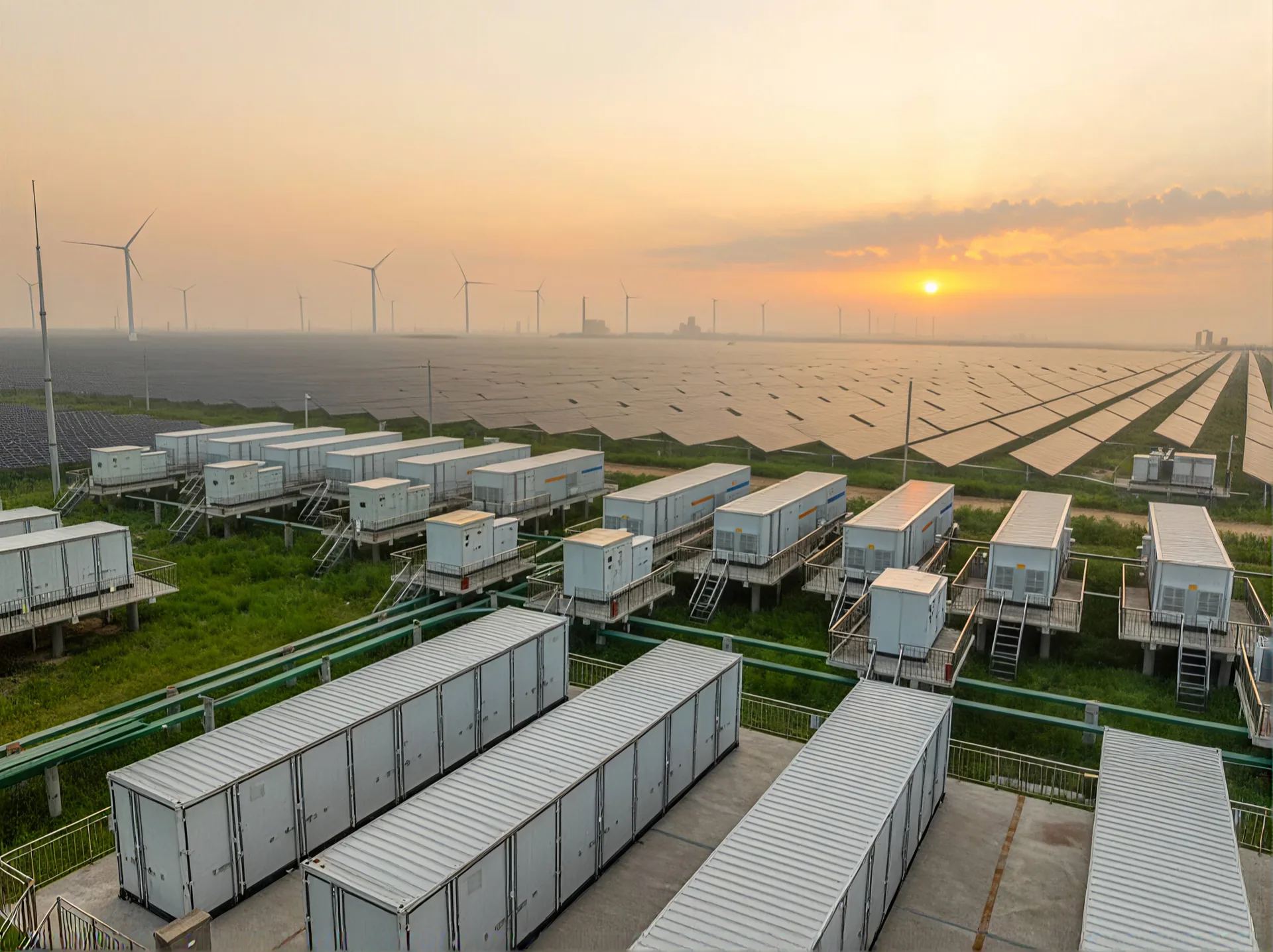
BESS stands for Battery Energy Storage System. For a Ghanaian business trying to work out whether it's worth the investment, it helps to understand what it actually does, separate from the marketing language around it.
What a BESS actually does
At its simplest, a BESS stores electricity so it can be used later. Paired with solar, it captures the surplus power your panels generate during the day, the energy that would otherwise be exported at unfavourable rates or simply wasted, and holds it for use when the sun isn't shining: evenings, cloudy periods, or during a grid outage. Deployed standalone, it can also charge from the grid during low-cost periods and discharge during peak demand or outages.
The three things a BESS is actually good for
- Backup power. When the grid goes down, a BESS switches over in under 20 milliseconds, with no generator start-up lag. Configured properly, it can cover anywhere from a couple of hours to a full day of critical load.
- Peak demand shaving. For businesses on time-of-use tariffs, or with high peak demand charges, a BESS discharges during peak periods, flattening the demand curve and reducing the utility charges triggered by short spikes in consumption. This often saves money independently of anything to do with solar.
- Maximising solar value. Paired with a solar system, a BESS increases self-consumption from roughly 60 percent up to 90 percent or more, and extends clean energy coverage to 18 to 22 hours a day rather than just daylight hours.
The technology and how it scales
Most commercial BESS deployments in Ghana use lithium iron phosphate, or LFP, chemistry: the safest and longest-cycle option for commercial and industrial applications. Systems are modular, meaning capacity can be added later as a facility's energy needs grow, without replacing the original installation. Deployments range from as small as 50kWh for a single facility up to 10MWh or more for larger industrial sites.
The system is managed by an energy management system, or EMS, that monitors generation, consumption, grid status, and battery charge in real time, automatically deciding when to charge, when to discharge, and when to draw from the grid, all aimed at minimising cost and maximising reliability.
None of this requires a business to understand the underlying engineering. What matters is the outcome: fewer outages disrupting operations, lower diesel spend, and a lower overall energy bill.
Get a free BESS assessment and see what battery storage would actually look like at your facility.