
Renewable Energy
Solar and BESS for Mining Operations in Ghana: What to Know
CIPA Communications ·
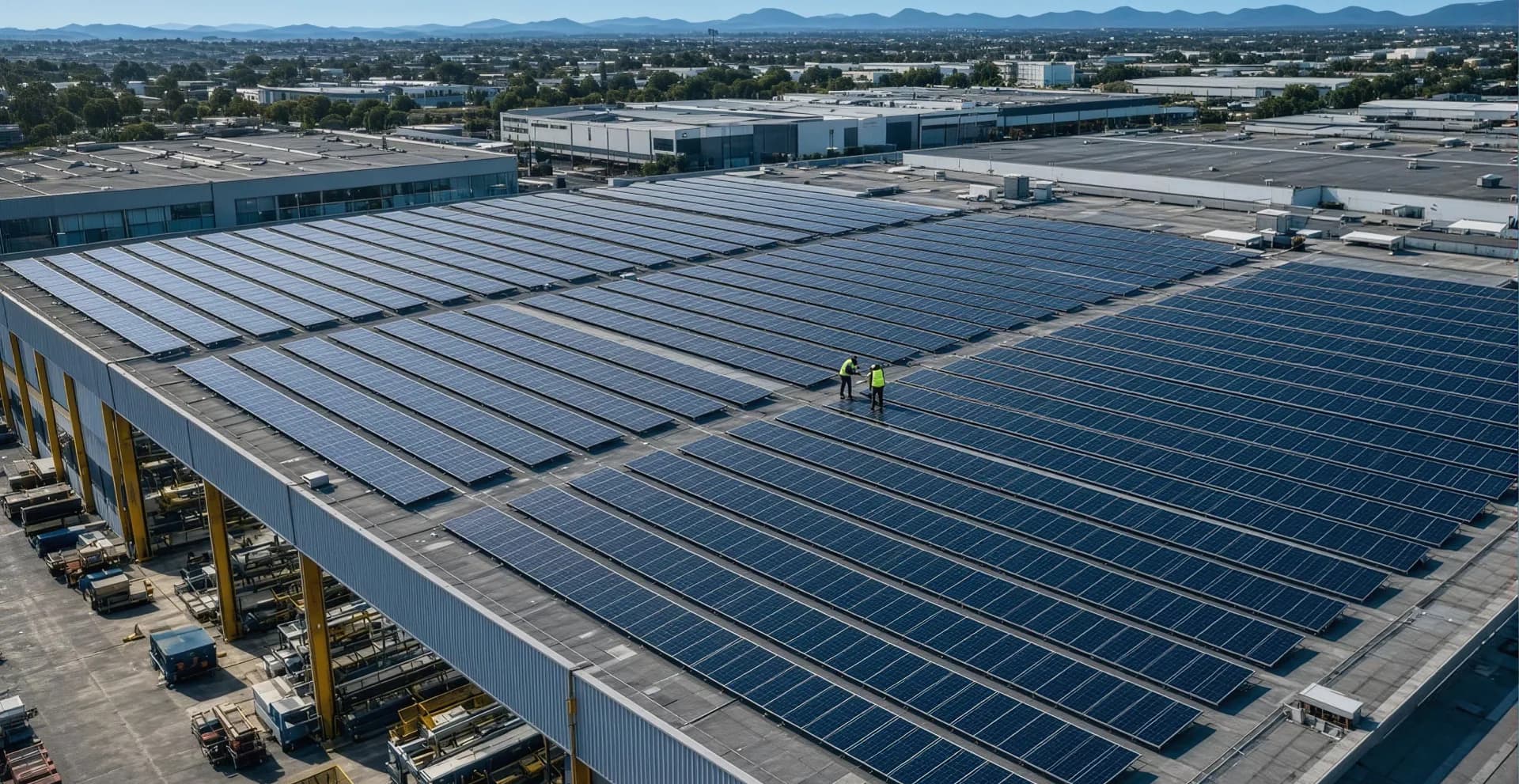
Mining operations have some of the most demanding power profiles of any industrial sector: high, continuous baseload, remote or weak-grid locations, and an operational cost of downtime that dwarfs almost any other industry. That combination makes mining sites both harder to serve with solar and, done right, some of the biggest beneficiaries of it.
Why mining is different from typical commercial solar
A retail outlet or office building can often be served by solar alone, sized to daytime demand, with the grid picking up the rest. Mining operations rarely work that way. Many sites run 24/7, with heavy equipment, processing plants, and safety-critical systems that cannot tolerate an outage. Sites are also frequently located away from strong grid infrastructure, which means diesel generation often carries a much larger share of the power mix than it would for an urban commercial facility.
Where solar and BESS fit into a mining power mix
This is rarely a case of replacing diesel entirely with solar. It's a case of engineering a hybrid system, solar, battery storage, and existing grid or generator capacity, into a single intelligently managed platform. Solar displaces the highest-cost hours of diesel or grid consumption during daylight. Battery storage extends that displacement into the evening, smooths demand spikes from heavy equipment starts, and provides fast, reliable backup that a generator cannot match on switchover speed. Generators remain in the mix as a last-resort backup, running only when solar, storage, and grid are all unavailable, and at a more efficient load than they'd otherwise carry.
The financing question for mining clients
Given the scale involved, mining projects are usually structured as dedicated Special Purpose Vehicles, with capacity-based pricing and long-term Power Purchase Agreements running 15 to 25 years, rather than the simpler Energy Service Agreement structure used for smaller commercial sites. That scale also means mining clients typically have the creditworthiness and energy intensity to access the same DFI-aligned, blended capital structures used across CIPA Energy Resources' industrial portfolio, without needing to fund construction risk themselves.
The starting point is the same as any project: a proper assessment of your load profile, outage history, and diesel spend, so any hybrid design is sized to what your operation actually needs rather than a generic template.